
Maintenance Best Practices for Carousel and Cutting Machines to Avoid Downtime
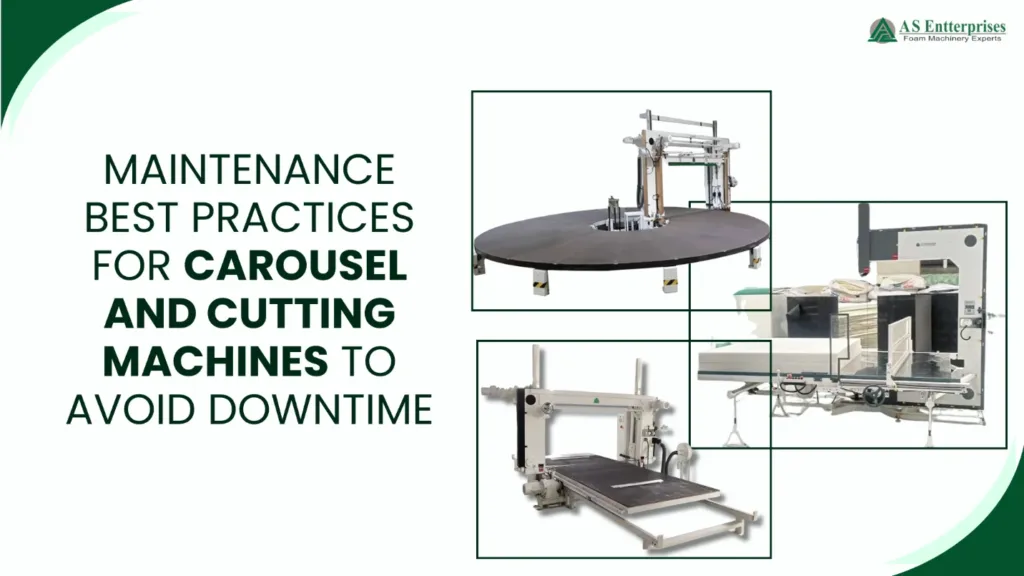
In any foam-processing environment, the performance of your machinery is only as good as the care it receives. Whether you are handling daily block cutting or managing large-scale foam production lines, consistent maintenance is central to ensuring smooth operations. Carousel and cutting machines are designed for precision and long-term performance, but even the most robust polyurethane machinery requires structured upkeep to deliver reliable results.
Downtime is more than just a pause in production. It affects delivery timelines, increases operational cost, impacts labor scheduling, and places unnecessary pressure on the rest of the workflow. When an industrial foam cutting machine stops unexpectedly, the ripple effect can disrupt an entire day—or week—of planned output. This makes preventive maintenance not only a routine task but an essential part of running a resilient manufacturing facility.
As a trusted partner in this industry, ASE is committed to providing more than just best-in-class industrial foam cutting machine solutions; we offer the expertise necessary to maintain them. This guide is designed to empower your maintenance teams and operators with simple, yet critical, on-ground maintenance practices. By adopting these protocols, you can shift from reactive repairs to proactive stability, maximizing the lifespan and output of your ASE foam machinery.
Why Routine Checks Matter More Than You Think
The difference between a scheduled maintenance window and an emergency breakdown often comes down to the quality and consistency of routine checks. The complexity of modern carousel and cutting machines means that small issues—a loose fastener, a patch of grime, or a minor deviation in alignment—can quickly escalate into system-wide failures, halting production entirely.
Quick, daily diagnostic checks serve as your first line of defense against these sudden, costly breakdowns. These are not time-consuming overhauls but focused inspections that leverage the operator’s familiarity with the machine’s normal state. Operators must be trained to have a critical understanding of three baseline checks:
- Blade Condition: The integrity of the cutting edge dictates both product quality and machine load. A dull or damaged blade forces the machine to work harder, increasing wear on motors and transmission systems.
- Motor Direction: Ensuring the direction of all motors remains consistent with marked specifications prevents undue stress on mechanics and guarantees the cutting action is performed correctly.
- Machine Cleanliness: The unique environment of polyurethane foam machine and cutting operations generates dust and residue that, if ignored, interferes with sensors, guides, and moving parts.
The role of the trained operator cannot be overstated. When skilled personnel consistently perform these checks, they create a predictable environment. They are the eyes and ears that detect the subtle change in sound, vibration, or movement that signals an impending problem. This human intelligence is irreplaceable in maintaining high-tech foam machinery and ensuring operational continuity.
Establishing a Strong Daily Maintenance Routine
A disciplined approach is mandatory for managing any advanced industrial foam cutting machine. Routine checks should be carried out before starting the schedule when the machine is cool.
Pre-Shift and Post-Shift Inspections
The day must begin and end with a thorough walk-around inspection. The pre-shift inspection confirms the machine is safe and optimized for the coming work period. The post-shift inspection allows the operator to identify issues caused by the day’s work before they solidify overnight, making repairs simpler and faster.
Key Focus Areas for Routine Checks:
- Tension, Alignment, and Sharpening Systems: The blade sharpening system is vital. Operators must verify that the cup grinders are properly positioned and functioning to ensure continuous, uniform sharpening. They must also confirm that the tension and alignment mechanisms are secure.
- Motor Rotation Verification: Before starting a major job, a brief test run should confirm that the motor rotation strictly matches the marked directional arrows. Any discrepancy here points to a serious electrical or control issue that must be addressed immediately to protect the mechanical components of the polyurethane machinery.
- Early Anomaly Detection: Operators must be attuned to the machine’s typical operational profile. Identifying irregular vibration, unusual noise, or subtle changes in cutting patterns (e.g., drag marks, feathering) during the initial phase of operation can pinpoint a problem long before it results in a catastrophic component failure.
This consistent, structured routine is the simplest, most cost-effective method for preserving your investment in carousel and cutting machines.
Blade Management for Reliable Performance
The blade is the most critical consumable part of an industrial foam cutting machine. Proper handling and upkeep are essential for achieving precise cuts and maintaining the machine’s long-term health. Following ASE’s strict guidelines for blade care is mandatory.
Precision Tensioning and Adjustment
The blade is designed to operate under a specific tension. Operators must make a point of tightening the blade using the provided gauge for accurate tension. Incorrect tension—too loose or too tight—will result in oscillation, poor cut quality, and premature blade failure. This simple step is a powerful protector of the entire cutting system.
Continuous Sharpening Protocol
The nature of cutting foam, especially materials processed on a polyurethane foam machine, requires a constantly renewed edge. ASE machines are designed for this; therefore, the guideline mandates maintaining continuous sharpening during operation. This essential action prevents:
- Drag: Reducing the friction that slows the process and warps the material.
- Heat Build-up: Preventing excessive thermal load that can compromise both the foam material and the blade itself.
- Uneven Cuts: Ensuring the final product meets the tightest dimensional tolerances.
Blade Guide Distance for Accuracy
The blade guide distance must be set precisely according to the foam thickness. If the guide is left too open, the extra free space allows the blade to vibrate, which directly affects stability. This is why proper adjustment is essential for maintaining a steady cutting path, minimizing deviation, and ensuring consistent product accuracy. Incorrect guide settings not only lead to cutting errors but also create avoidable safety risks.
The Genuine Parts Guarantee
For the machine to function as engineered, component quality is non-negotiable. Manufacturers must always use ASE genuine blades, original cup grinders, and ASE genuine spare parts. This includes mandatory use of approved brands like Simmons blades. These components are specifically designed to meet the tolerances, metallurgy, and performance profiles of ASE’s foam machinery. Using unauthorized parts, even those seemingly compatible, introduces variables that compromise machine performance, void warranties, and accelerate wear.
Keeping the Machine Clean and Operationally Stable
The unique physical properties of foam residue necessitate specific cleaning protocols that differ significantly from those applied to general metalworking or woodworking machinery.
The Cleanliness Imperative
It is mandatory that the machine is kept clean at all times. This means rigorous removal of accumulated foam dust, residue, and obstructions from the guides, belts, rails and work surfaces. Residue acts as an abrasive agent, increasing friction and wears on crucial bearings and contact points. Furthermore, dust build-up can insulate motors, leading to overheating, and interfere with sensitive electronic sensors used for positioning and safety.
The Counter-Intuitive Rule: No Lubrication
A critical, often misunderstood, instruction for ASE carousel and cutting machines is the explicit rule that no lubrication is required on the moving mechanisms. In a foam environment, conventional wisdom regarding lubrication is counterproductive. Applying oil or grease:
- Attracts Contaminants: Lubricants act as magnets for foam dust and particles, creating a sticky, abrasive paste that accelerates wear on guides and internal mechanics.
- Causes Premature Wear and Failure: This contaminated paste gums up precision components, leading to sluggish movement, increased motor strain, and ultimately, premature failure of expensive mechanisms.
Adhering to the dry running protocol, combined with constant cleaning, is essential for the long-term operational stability of this specialized polyurethane machinery. Cleaning control panels, sensors, and guide areas is a small, daily investment that pays enormous dividends in preventing performance issues caused by particulate interference.
6. Essential Safety Instructions for Operators
Safety is a shared responsibility, and compliance with ASE’s safety instructions is paramount, not only for the protection of personnel but also for the integrity of the industrial foam cutting machine.
Personnel and Operational Protocols
The operation of any foam machinery is complex. Therefore, only trained and qualified personnel should be permitted to operate the machine. Training ensures competency in both routine operation and emergency procedures.
During operation, the physical integrity of the machine’s safety systems is mandatory. Safety covers and barriers must remain in place during any cutting cycle. These systems are designed to protect against projectile hazards and accidental contact with moving parts. Furthermore, all safety markings and signs on the machine should be read and strictly followed. These markings often provide specific, localized hazard warnings.
Reporting Abnormalities and Liability
Should the operator observe any abnormal occurrence—be it a strange noise, a sudden vibration, or an electrical fault—the instruction is absolute: the machine must be stopped, and the issue must be reported immediately to ASE for expert technical assistance.
Failure to comply with any of these established instructions carries severe risk. The consequences of non-compliance can range from significant operational risks and detrimental performance issues (poor cut quality, reduced speed) to catastrophic equipment damage and serious personnel injury.
It is important to understand ASE’s disclaimer regarding damages arising from ignored safety guidelines. ASE will not be liable for any loss or damage caused by non-compliance under any circumstances. This makes it both a contractual and practical responsibility to follow every published safety and operational guideline without exception.
7. Preventive Maintenance: The Key to Reducing Downtime
Preventive maintenance (PM) is the strategic, long-term approach to maximizing the profitability of your polyurethane machinery. It is the antithesis of the reactive “fix-it-when-it-breaks” mentality.
The Benefits of Scheduled Vigilance:
- Improved Reliability: Regular checks and the replacement of wear parts before they fail dramatically improve machine reliability and cutting consistency. This eliminates variability in your output, leading to better product quality and fewer rejected items.
- Disruption Reduction: PM leads to a massive reduction in unplanned stoppages and on-floor disruptions. Work can be scheduled efficiently, and maintenance can be planned during off-hours, ensuring the production line remains active when it matters most.
- Cost Efficiency: By managing wear and tear proactively, you achieve longer blade life and reduced repair frequency. A small investment in a genuine spare part now saves a major expense on a catastrophic system repair later.
- Overall Optimization: A machine that is consistently well-maintained contributes to better overall workflow efficiency and operator safety, fostering a professional and productive work environment.
8. When Operators Should Contact ASE
While daily and preventative checks are the responsibility of the end-user, ASE stands ready to provide expert intervention and genuine parts support when needed. Operators should know precisely when an issue transcends routine maintenance and requires factory expertise.
Contact ASE immediately in the following circumstances:
- Unresolved Quality Issues: When an operator experiences persistent cut quality issues even after proper sharpening, tensioning, and guide adjustments. This often signals a deeper mechanical or calibration problem requiring specialized tools.
- Advanced Irregularities: Any sign of motor rotation or movement irregularities (e.g., uneven speeds, jerking, or unexpected stopping) that cannot be resolved with simple inspection. These can be symptoms of motor controller issues or gearbox wear.
- Genuine Component Need: For the procurement of genuine spares, specified blades (Simmons), or cup grinders. Utilizing the official ASE supply chain guarantees component compatibility and quality.
Periodic Expert: Seeking assistance for any abnormal machine behaviour—such as thermal warnings or unexpected sensor errors—or arranging periodic performance checks helps ensure the machine’s calibration and alignment remain accurate and reliable.
9. Conclusion
Keeping carousel and cutting machines in stable working condition comes down to simple habits carried out consistently. When operators follow routine checks, manage blade tension correctly, keep the machine clean, and respect all safety instructions, they prevent the majority of issues that typically lead to downtime. These practices support smoother production cycles, reduce avoidable stoppages, and help maintain the accuracy required in foam-processing environments.
A S Entterprises has spent more than three decades working directly with manufacturers, understanding the day-to-day challenges that come with running polyurethane machinery. ASE builds its machines to perform reliably on the shop floor, but it also stands with users long after installation—providing guidance, genuine spare parts, and technical support whenever something feels out of place. This combination of experience, field knowledge, and consistent support is why many leading foam manufacturers rely on ASE not just for machinery, but for long-term operational stability.
By adopting these maintenance practices and staying connected with ASE’s service team when needed, manufacturers can keep their operations predictable, protect equipment life, and maintain steady output across shifts. These routines form a strong foundation for ongoing performance—supported by ASE’s expertise, responsiveness, and commitment to keeping every machine running the way it should.